
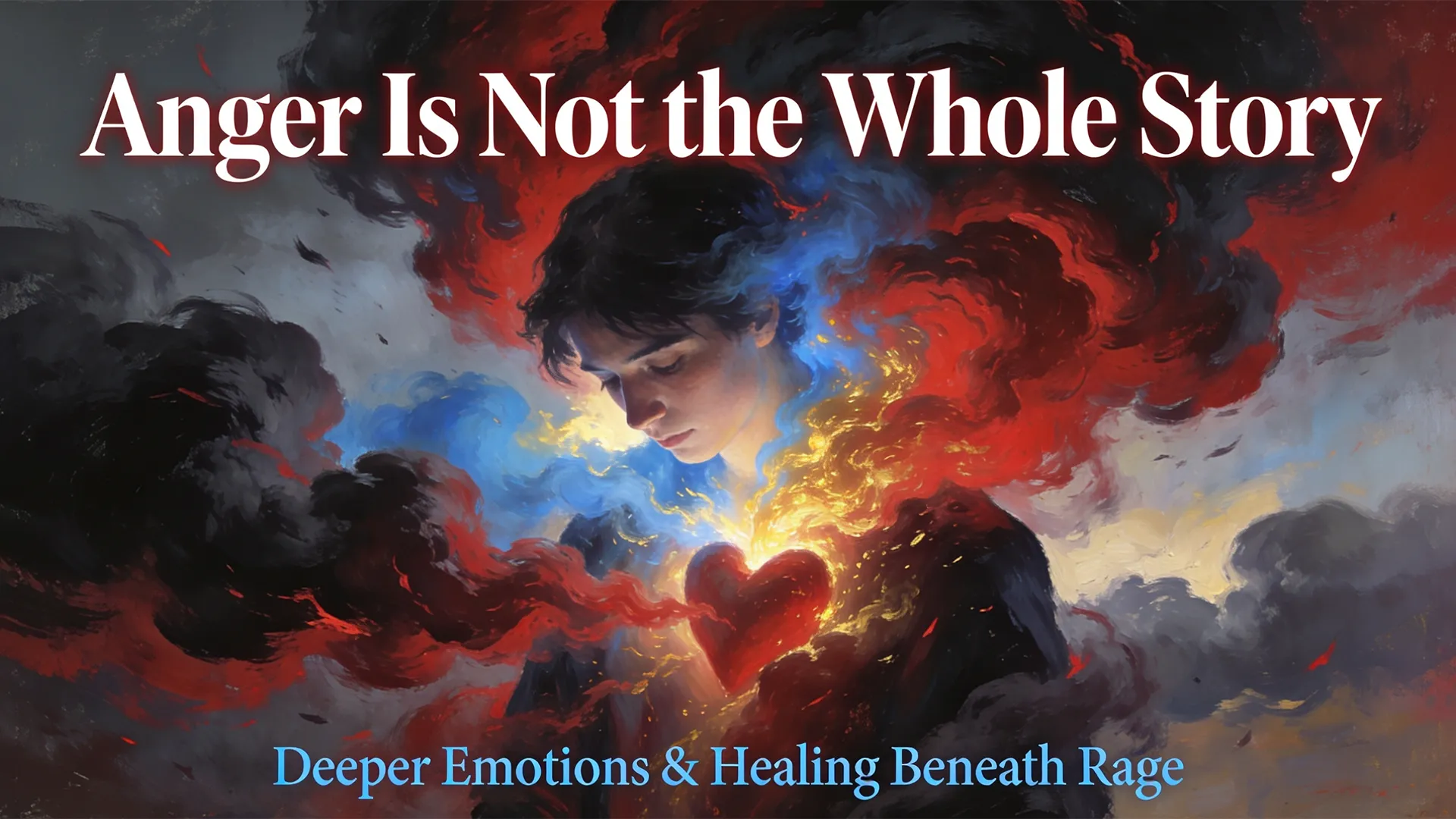
Everyone gets angry. Anger is a normal human emotion. It can happen when someone feels hurt, ignored, disrespected, afraid, stressed, or treated unfairly. Anger itself is not the problem. The real problem is what a person chooses to do with it.
In domestic violence intervention, anger is often discussed because many people use anger to explain harmful behavior. They may say, “I was just angry,” or “I lost control.” But anger alone does not explain abuse. Many people feel angry and do not threaten, control, scare, or hurt another person.
Abuse is usually connected to something deeper. It can be connected to power, control, learned behavior, harmful beliefs, fear, stress, poor coping skills, or a belief that one person has the right to dominate another. This is why real change must look beyond anger.
Anger Is an Emotion, Not an Excuse
Anger is a feeling. It is not a free pass to cause harm.
A person may feel angry during an argument. They may feel their body tense up. Their heart may beat faster. Their thoughts may move quickly. They may feel pressure to react right away. But even in that moment, they are still responsible for their actions.
Feeling angry does not give anyone permission to threaten, control, humiliate, or hurt another person.
This is one of the most important lessons in intervention work. Anger may explain what a person felt, but it does not excuse what they did. There is a difference between saying, “I felt angry,” and saying, “My anger made me do it.”
The first statement can lead to awareness. The second statement avoids responsibility.
A person cannot always control when anger shows up, but they can learn to control how they respond to it. They can pause. They can leave the room safely. They can lower their voice. They can choose not to insult, threaten, grab, block, or intimidate.
Anger is real, but choice is real too.
Abuse Is Often About Power and Control
Domestic violence is not always one sudden outburst. Many harmful behaviors are part of a larger pattern. This pattern is often about power and control.
Control can show up in many ways. It may look like checking someone’s phone, deciding who they can talk to, controlling money, using jealousy as an excuse, making threats, blaming them for everything, or making them feel afraid to speak honestly.
It can also look like emotional pressure. A person may use guilt, silence, anger, or intimidation to get their way. They may make the other person feel responsible for keeping them calm. They may act as if the whole relationship depends on the other person obeying them.
These behaviors are not only about anger. They are about control.
A person may not always see this pattern at first. They may focus only on the big argument or the final explosion. But intervention work helps them look at the whole picture. What happened before the argument? Was there jealousy? Was there blaming? Was there a need to win? Was there a belief that the other person had to listen, obey, or agree?
When the pattern becomes clear, the work becomes deeper. The question is no longer only, “How do I control my anger?” The better question becomes, “Why do I think I have the right to control another person?”
Anger Often Covers Deeper Feelings
Anger is often a secondary emotion. This means another feeling may come first, even if the person does not notice it right away.
Under anger, there may be fear. A person may fear rejection, loss, embarrassment, or failure. There may be shame. They may feel exposed or criticized. There may be insecurity. They may feel not respected, not important, or not in control.
There may also be stress, pressure, sadness, guilt, or pain from the past.
Understanding these deeper feelings can be helpful because it allows the person to slow down and ask, “What am I really feeling right now?” But this understanding must be handled carefully. Deeper feelings explain the reaction. They do not excuse harmful behavior.
For example, feeling rejected does not excuse threats. Feeling ashamed does not excuse blame. Feeling afraid does not excuse control. Feeling disrespected does not excuse intimidation.
The goal is not to deny anger. The goal is to understand it before it turns into harm.
Beliefs Shape Reactions
What a person believes can shape how they react.
If someone believes, “I must always be respected,” they may become angry every time they feel challenged. If they believe, “I must be in control,” they may see normal disagreement as a threat. If they believe, “Things must go my way,” they may react badly when life feels unfair.
These thoughts may feel automatic, but they can be changed. Intervention work often helps people notice these beliefs and question them.
Instead of thinking, “They have to agree with me,” a person can learn to think, “They have the right to see this differently.”
Instead of thinking, “I must control this situation,” they can learn to think, “I can only control myself.”
Instead of thinking, “I was disrespected, so I had to react,” they can learn to think, “I can feel disrespected and still choose a safe response.”
This kind of change takes practice. It is not only about learning new words. It is about building a new way of thinking.
Learning to Pause Changes the Outcome
One of the most useful skills in intervention work is learning to pause.
A pause creates space between the feeling and the action. In that space, a person can make a different choice. They can take a time-out. They can stop the harmful thought. They can name the deeper feeling. They can ask, “What am I trying to control?” and “What can I actually control?”
They can also ask, “What choice will keep everyone safe right now?”
This pause may seem small, but it can change the whole outcome. It can stop an argument from becoming threatening. It can stop anger from becoming control. It can stop a painful feeling from turning into harmful behavior.
Anger is not the enemy. But anger must not be used as an excuse. Real change begins when a person looks deeper, accepts responsibility, and learns safer ways to respond.
To better understand why anger is only one part of harmful behavior, The 52 Week Batterer’s Intervention & Treatment Program by Joseph E. Snapp, MSW, LCSW, offers practical lessons on anger, control, belief systems, stress, and learned patterns. The book helps readers look beyond surface emotions and begin asking the harder questions that lead to real growth. For anyone seeking a structured and honest approach to change, this program is an important guide.